Final Reflection

Image result for reflection clipart

How do I feel the intervention went?

Overall, I believe the intervention went well. Our thorough planning for each week paid off to successful outcomes. When we received feedback or requests from the client to change or implement a particular aspect into the intervention, we ensured to do that. This ensured that our client felt included at all times, therefore, the intervention was meaningful and purposeful for the client. Thankfully, the careful planning and implementation the program, our client was able to reduce his alcohol habits.

Additionally, the educational aspect of the intervention was effective in informing/scaring our client, so that they know why we will create schedules in the practical implementation aspect of the program, hence why they were prepared for a challenging experience.

Further, the practical implementation aspect was also quite successful as our client followed the plans we made for him, which achieved promising results. However, our client did not abide by the plans 100% every week. I believe this occurred because he had a strong alcohol addiction, which is hard to overcome. But, we did try to gradually reduce his alcohol consumption, with other helpful strategies, which were exercising and eating nutritious foods.

Moreover, I believe an aspect I did not do well in my part was to try to prevent our client from not following the plan, as it was a problem I discovered in week 4. Additionally, I believe next time I could ask more questions to the client to ensure I am making this program interesting for them as I feel they might of felt left out. Asking more questions will allow me to get a better picture of how my client feels etc.

Moreover, not only was the intervention beneficial for my client, it was to me as I learnt many about many alcohol related issues/stories/facts. This unit has definitely allowed me to gain knowledge on such an interesting topic. I also fell quite good about myself considering that I have helped our client change their life, and that I was part of that journey with my partner. Overall, I believe our intervention went well.

What was the client feedback?

Describe how the overall intervention was like to?

Overall, the intervention was helpful in me reducing my alcohol habits.

How do you feel the (a) education and (b) practical implementation aspect of the intervention was?

The education aspect of the intervention was engaging and informative. It somewhat scared me.

How do you feel now that the intervention is over? Health improvements?

I feel positive, healthy and active. I no longer have hangovers in the morning. I feel energised in the mornings and no longer experience alcohol induced arguments with my family. I also have good sleep.

Do you feel that this intervention was helpful in reducing your alcohol intake? Are you drinking less than you did initially?

Yes, this intervention helped reduce my alcohol consumption. I have continued to drink only every second day, only 1 standard drink.

What are some aspects we could improve on?

I would like to be even more included into this intervention and to feel that it is more tailored to me. I do appreciate your efforts in doing this throughout the program.

How are your junk food habits?

I have ceased eating a lot of junk food. I have continued to eat healthy, nutritious foods, as recommended by the Australian Dietary Guidelines.

Have you continued to exercise?

Yes, I have.

What would I do differently next time?

Next time, as suggested by our client, I will include our client more into our interventions. I might do this through asking them more questions as to what they would like to see in the intervention, or even interview and discuss with them in person. This will ensure that our program is meaningful, purposeful and inclusive to our client. Furthermore, I will love to hold this intervention over an extended period of time, as 6 weeks is not enough to deeply get to know our client, their habits and issues. If we had a longer time, we would have been able to trial and error throughout to see which interventions suit our client, and which don’t. Through doing this, we will be able to construct a more detailed and applicable plan for our client (whether it be more education programs or more practicals). Also, I believe it would have been beneficial to recommend different types of alcohol to our client as red wine is healthy, and can lower blood pressure (our client is diagnosed with high blood pressure) (Medical News today, 2017). Overall, If I were to complete this task again, their are many aspects that I can improve on, to do differently next time.

Have I changed a life?

Yes, I believe I have changed a life. From having 3-4 standard drinks for 37 years, we have reduced it down to 1 standard drink every second day. As mentioned in our blogs, alcohol can cause many mental, social, emotional and physical health problems; hopefully, though our interventions, these risks are lowered. Not only have we changed the life of our client, but also his family, his community and even ours. Our client has also stated that he is drinking a low volume of alcohol, is exercising and eating healthy. Being a part of this intervention has been a special experience, where I have gained knowledge on several aspects of alcohol. We have successfully changed a life!
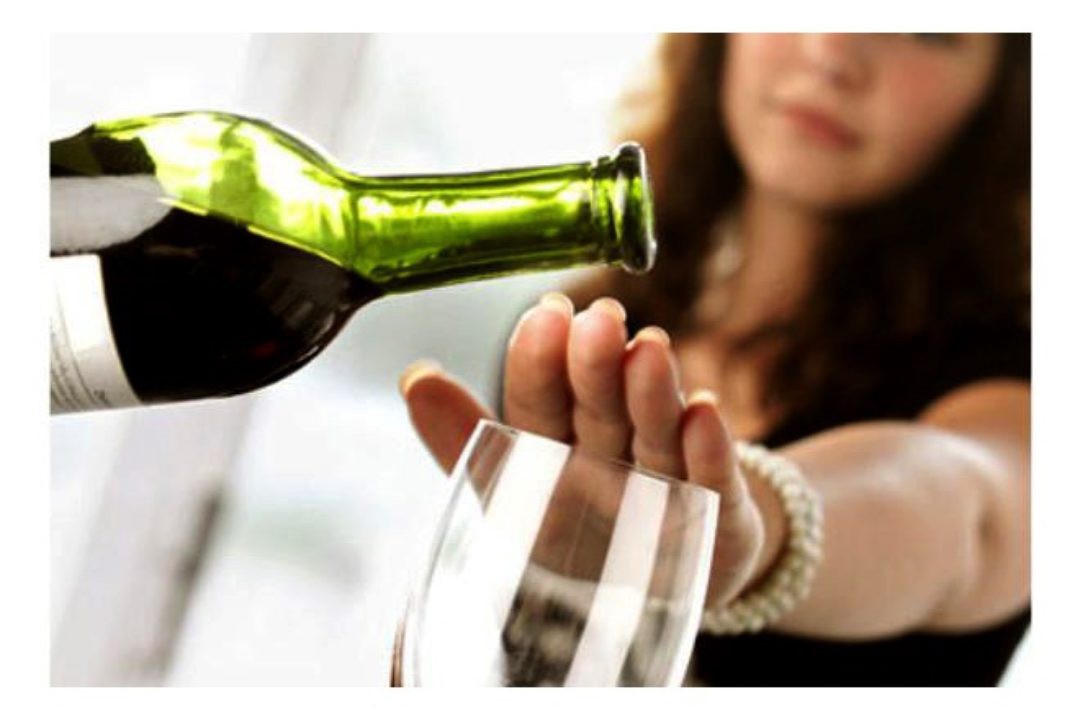
Image result for alcohol changed a life

Free blogging

This concludes our intervention on alcohol health. If you have any questions, please leave a message in the contact link.

Intervention Week 6: Diet

Image result for australian dietary plate

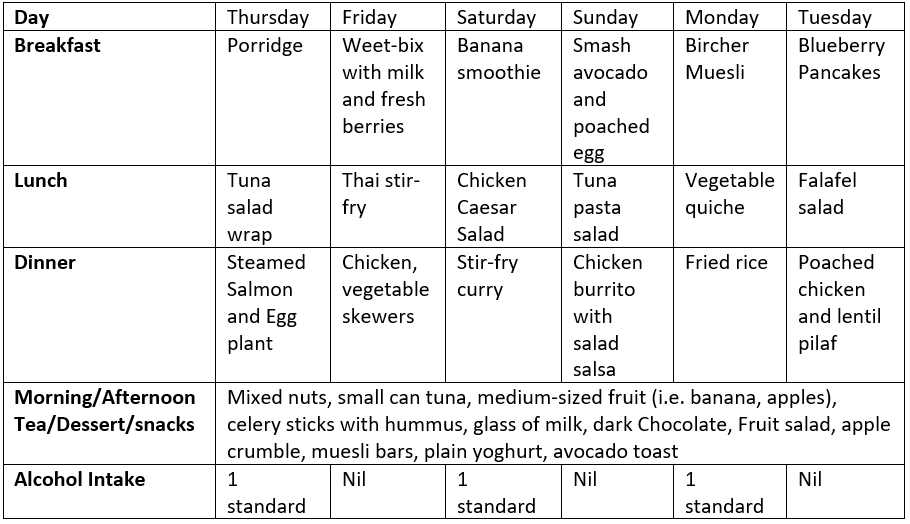
Diet Plan Thursday (30th May) – Tuesday (4th May)

Drink 2 liters of water a day

The Alcohol and Drug Foundation states that, “Eating well can reduce the mood swings that are often a feature of withdrawal. Try to encourage good nutrition as a part of the withdrawal process and ongoing treatment plan. Poor dietary habits can contribute to increased cravings and the risk of relapse. A varied diet rich in good carbohydrates and proteins, fresh fruit and vegetables, essential fats (oily fish, nuts, etc.) and plenty of water can help minimise withdrawal symptoms”(2018).

This foundation recommends a healthy diet to reduce withdrawal effects that our client may experience, especially as we are gradually decreasing their alcohol intake.

The Australian Dietary Guidelines not only to consume less alcohol but, guideline 2 states, “Enjoy a wide variety of nutritious foods from these five food groups every day:

• Plenty of vegetables of different types and colours, and legumes/beans

• Fruit

• Grain (cereal) foods, mostly wholegrain and/or high cereal fibre varieties, such as breads, cereals, rice, pasta, noodles, polenta, couscous, oats, quinoa and barley

• Lean meats and poultry, fish, eggs, tofu, nuts and seeds, and legumes/beans

• Milk, yoghurt, cheese and/or their alternatives, mostly reduced fat”

Therefore, in the diet I have included a variety of foods from the Australian Dietary Guidelines. I would like to make this clear for our client: Please consume low fat dairy goods, a variety of different coloured vegetables, wholegrain foods. For example, when I have stated “Chicken Burrito with Salad Salsa,” please assume to eat wholegrain burrito bread. Please click here to see the portion sizes for each food group

Reflection

Image result for reflection clipart

What did you do?

This week I created a diet for my client as research shows a nutritious diet helps with alcohol withdrawal symptoms, as we are reducing the his alcohol intake. The diet I created contains food from the 5 food groups (Vegetables, Fruit, Grain, Meat and Dairy), and the good nutrition possessed in these foods should keep my client happy and energised, rather than experiencing cravings and tiredness. The diet is simple and easy to follow. Furthermore, to ensure that our client does feel included in this program, I have implemented foods into the diet that he enjoys (chocolate and chicken caesar salad). However, I have put a slight twist to the chocolate through making it dark chocolate, this is a healthier chocolate with good fats (Healthline, 2019).

How did it go?

I believe this last aspect of the intervention went well as it was a nice finish to the overall program. Our client gave us positive feedback saying that he enjoyed these different cuisines. He also stated that he did not feel the temptation to drink more, therefore, he abided by the schedule. Our client further experienced good sleep, and is coping well with his family. But, our client did say that he consumed alcohol on Friday when he was not supposed to. However, I expected this behaviour (similar to last week), as he is trying to reduce his high consumption. On a positive note, this was the only night he drank extra. Furthermore, our client dislikes porridge, so he consumed butter on toast. Our client felt guilty about this, however, it was the first day of the diet, therefore, he may have missed consuming his normal foods for breakfast. Other than this, the intervention went well.

How did you feel?

This week I was feeling slightly bittersweet as the intervention has come to the end, however I was happy because I saw substantial progress in our client, and was so glad to see that I have helped to change his life. Furthermore, I quite enjoyed making this aspect of the intervention as I enjoy talking about food and enjoy researching nutrition.

How was the client feeling? Client feedback.

What was the most enjoyable aspect of the diet?

I enjoyed eating a variety of foods that were really tasty.

What are some benefits you experienced?

I had good sleep and did not fell tempted to consume alcohol. I also cooperated with my family well.

The aim of this intervention was to help you with your withdrawal symptoms. Did the diet assist?

Yes the diet allowed me to have sustained energy throughout the day. However, I did drink alcohol on Friday… feeling guilty. However, the diet was really good in helping me to drink less.

If I were to do this intervention again, what would you suggest I do to improve the effectiveness of the program?

Next time please include some Indian curry into the diet as I need to have foods that I am used to. Also, please outline how much of each food I should be consuming as I do not want to go on the website and read how much fruit/vegetables to eat etc.

Was it successful? Why?

Yes, this intervention was successful. I accomplished the goal of helping the client to help with his withdrawal symptoms through creating a diet which was nutritious. The diet evidently had positive impacts on his family and his overall health. Even though I client struggled to abide by the schedule the first few days, he followed the plan well.

What changes need to occur?

If I were to create this diet plan again, I would make changes to suit our client. Firstly, I would specifically outline in the diet, how much of each food he needs to consume so that he does not have to go online every time to check. Further, I will include some Indian cuisine, as our client enjoys eating these types of food. Lastly, I will need to see how I can prevent my client from not abiding by the schedule as this has occurred the last two weeks as well. Maybe an incentive?

Free Blogging

This concludes our Alcohol Intervention, hope you have enjoyed watching us change a person’s life. Watch this space for a final reflection.

Intervention Week 5: Exercise

Related image

Walking Schedule Thursday (23rd May) – Tuesday (28 May)

Day Thursday Friday Saturday Sunday Monday Tuesday
Exercise Walking Walking Walking Walking Walking Walking
Time
(minutes)
20 20 30 40 50 50
Drinks2 standard 2 standard 2 standard 2 standard 1 standard Nil

Dr Mercola from Peak Fitness states, ” exercising regularly can also reduce your risk of becoming dependent” (2016). Therefore we are trying exercise as a way to reduce our client’s poor lifestyle.

Reflection

Image result for reflection clipart

What did you do?

This week my partner and I teamed together to create an exercise schedule for our client to help intervene with their over consumption. As I asked last week, my client enjoys walking on the treadmill, therefore their schedule composes only of walking to kick start their exercise. Hopefully, through this exercise, our client can calm themselves, meaning that they do not have to rely on alcohol as a depressant. Further, we wanted to keep the alcohol schedule in place to ensure that our client does not exceed 2 standard drinks per day. In fact, we have even further reduced their consumption schedule to 1 standard, and 1 day dedicated to not drink any alcohol. I have chosen schedule no alcohol on Tuesday as this day is set to be one of the longest exercise days, therefore, they will release more endorphins, as outlined by the Anxiety and Depression Association of America (2018). Ultimately, through their exercise they will be calm. Also, as this schedule may be an overwhelming experience, I have decided to gradually reduce the standard drinks per day 1 on Monday as the less you consume the better it is for your health; as seen by previous research (high consumption rates cause health/social problems).

How did it go?

I believe this intervention went quite well as our client adhered by the schedule and they really enjoyed it at the same time. Also, our client felt that this intervention was helpful as they felt energetic and experienced other positive health benefits like less arguments with their family, better sleep, calmness and relaxation. Our client did adhere by the schedule I created for them, however, they did not comply with the walking program as they did not walk. As our client may not be used to this type of exercise everyday, they may have found it exhausting. Other than this, the intervention went well.

How did you feel?

This week I was excited to commence the exercising part of program as I value activeness as a crucial aspect of life, and our wellbeing. This week I was not nervous to speak with my client or to present them with my intervention as I have gotten used to them by now. This week I felt very confident to help our client because we are on the home stretch and am looking forward to see hopefully rewarding results from our research on this topic.

Client Feedback?

Explain how you felt after doing these exercises?

I felt energetic.

How did walking everyday impact your alcohol intake?

I didn’t feel like drinking as much as usual because I felt calm and relaxed after the walk.

Did you adhere to the schedule? Did you go over the alcohol limit? Did you walk for the designated time?

Yes I did adhere to the schedule at all times, except for walking 50 minutes for 2 days. I found this challenging and did not walk on Tuesday. However, I adhered to the alcohol schedule as exercising helped me.

What are the benefits you experienced with your health?

Sleep has continued to improve. I am having less arguments with my family. I also am not only not hungover in the morning, I feel energetic.

Did you like this schedule? Why, Why not?

Yes, I enjoyed this schedule as I experienced good health benefits.

Please provided some feedback as to how we can further improve the practical implementation aspect of our program. I will be creating a diet schedule next week, and my partner will takeover your exercise schedule. Is there anything you like to eat, that is nutritious, and would like to see on your schedule? Is there any snack foods you like to enjoy (so we can include in the sometimes section)?

Good intervention, but would like to see more variety in exercise. The intervention was helpful in helping me rid my habit. I like to eat chicken Caesar salad. I love chocolate!

Please describe a typical eating day, and what foods you would consume.

For breakfast I usually consume butter on toast. For morning teat I have a Nice Biscuit. For lunch I usually eat takeaway For afternoon tea I have a small packet of chips. For dinner I will have an Indian curry and a piece of fruit.

Was it successful? Why?

Yest this program was successful as evident from the positive client feedback. Our aim was to help our client to reduce their alcohol consumption through exercising, and was proved beneficial. Our client experienced health benefits which positively impacted their family. Even though our client made one mistake in the schedule, they adhered by it at all times which proved effective.

What changed need to occur?

For next week, my partner will need to create an exercising schedule that contains a variety of exercises (which our client requested). This is because my partner will continue the exercise intervention, where I will move to a diet intervention. Also, for next week I will need to include a nutritious food that our client enjoys to eat: chicken Caesar salad. Also, as a sometimes treat I will include chocolate as an incentive for our client. To continue, it is evident that our client consumes unhealthy foods throughout the day, which may contribute to his addiction, therefore I will need to amend his diet.

Free Blogging.

Next week we will continue our practical implementation aspect of our program and I will create a diet for our client. Hopefully, healthy food choices will help to reduce our client’s alcohol intake.

Intervention Week 4: Reducing consumption – Schedule

Image result for alcohol reducing schedule

Schedule 15th May (Wednesday) – 21st May (Tuesday)

Day Wednesday Thursday Friday Saturday Monday Tuesday
Alcohol
Intake *
3 ½ standard 3 ½ standard 3 standard 2 ½ standard 2 ½ standard 2 standard

*Please use a measure glass to ensure you are only drinking the recommended volume. The Australian Department of Health (ADG) outlines how to calculate a standard drink of alcohol:

“Volume of Container in Litres multiplied by the percentage of alcohol volume multiplied by 0.789, equals the number of standard drinks
0.789 is the specific gravity of ethyl alcohol” (ADG, 2012).

A gradual schedule that deducts the alcohol intake of the client is essential. Drug Rehab mentions that a systematic, and gradual reduction of a person’s alcohol intake is vital to prevent severe withdrawal symptoms (2018)

Example of Alcohol Measure (Includes 30mL and 15 ML). Refer to Bibliography on this link https://alcoholintervention.health.blog/2019/03/13/bibliography/ for reference to this photograph

Reflection

Image result for reflection clipart

What did you do?

This week I created a schedule for our client to adhere by for the whole week. The schedule slowly guides our client to reduce his intake down to 2 standard drinks by Tuesday night. I though this method would be most efficient because it is really hard to reduce your consumption immediately when you have been drinking high intakes for a long period of time. We also asked our client to use a measuring glass to ensure that when they are drinking their whiskey, they are drinking the exact volume. This is because even 1 mL over every drink equates to 28 mL extra in a week (assuming they drink 4 drinks everyday). Hopefully, my client follows this schedule and has the wheel-power to do so.

How did it go?

This schedule went really well due to the positive feedback I received from my client. The schedule really helped him reduce his intake over a time period. The slow approach to reduce his intake was successful as he required this type of strategy to reduce his over intake to standard intake. I believe my client struggled, but overcame his temptation. This was expected as he is suddenly changing his bad habit that started 37 years ago; in due time, he should have no issues in changing his habit.

How did you feel?

This week I had a feeling of unexpectedness where I was not sure of whether our client will follow the schedule due to their bad habit that lasted for 37 years. I was also a bit scared that they would get emotional about reducing their intake, and that I will receive an angry call from our client releasing their anger on me for putting them in a situation where they have to be resilient. However, this was not the case, and luckily our client found our schedule useful.

Client Feedback

How did you feel having to reduce your intake gradually over the past week? Explain your struggles (if applicable)?

In the beginning it was hard but then I got used to it. 

Did you adhere to the schedule at all times? Did you ever go over the limit?

One day I did go over the limit and felt guilty about it. 

How has your sleep been affected from consuming less alcohol?

Sleep has been better.

Explain you productivity of the day, as you have started to consume less?

I feel more alert and the hangover is less in the morning.

Was this an effective intervention to start of the Practical Implementation of the program? Explain why/why not?

Yes, it was because my consumption was reduced slowly rather than in one big hit. 

Next week I will create you an exercising schedule to got with the drinking schedule; is there any specific exercises that you would be interested in?

Walking on the tread mill in the gym. 

Was it successful? Why?

Yes, this intervention was successful as evident from the client’s feedback. Our client has experienced improved productivity in the morning due to his gradual decrease of his alcohol intake. Also, he was glad that I gradually decreased his intake because as he said, it was not sudden or overwhelming. Also, the client’s sleep has improved, because as researched in previous interventions, substances in alcohol interfere with your neurotransmitters, therefore affecting your sleep. I am glad that if his health is already improving in one week, I am sure that it will only continue to do so. However, our client was honest and mentioned that he did go over the limit for one day. This was expected, as dropping your alcohol intake from high consumption rates is difficult

What changes need to occur?

According to client feedback, our intervention seemed to go well, therefore there are not many major changes that I will be undertaking. However, as this schedule for the next two week will bore my client and will not be interesting, I am thinking of creating an exercise schedule that will go along with the 2 standard drinks per day. I am also thinking to reduce the frequency of the amount of days he drinks to ensure that he is drinking minimal alcohol as possible, (even though Australian Dietary Guidelines say 14 standard drinks a week is fine). As we can agree that the lesser alcohol you consume, the better it is for your overall health.

Free Blogging

Keep posted as I will be creating an exercise schedule for our client which will go along with the reduced alcohol consumption schedule. However, instead of drinking 2 standard drinks everyday; I will ask the client to drink less frequently. Watch this space as we still have 2 more weeks to change the life of our client.

Intervention Week 3: Health Scare

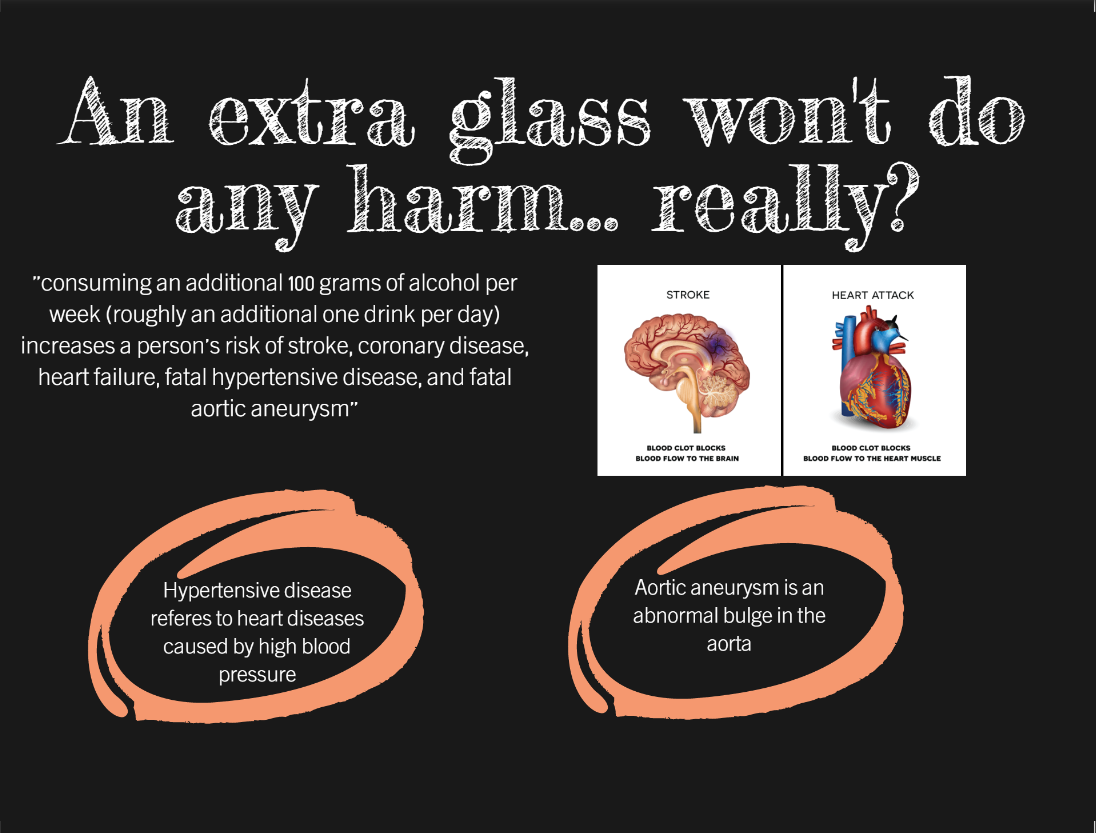
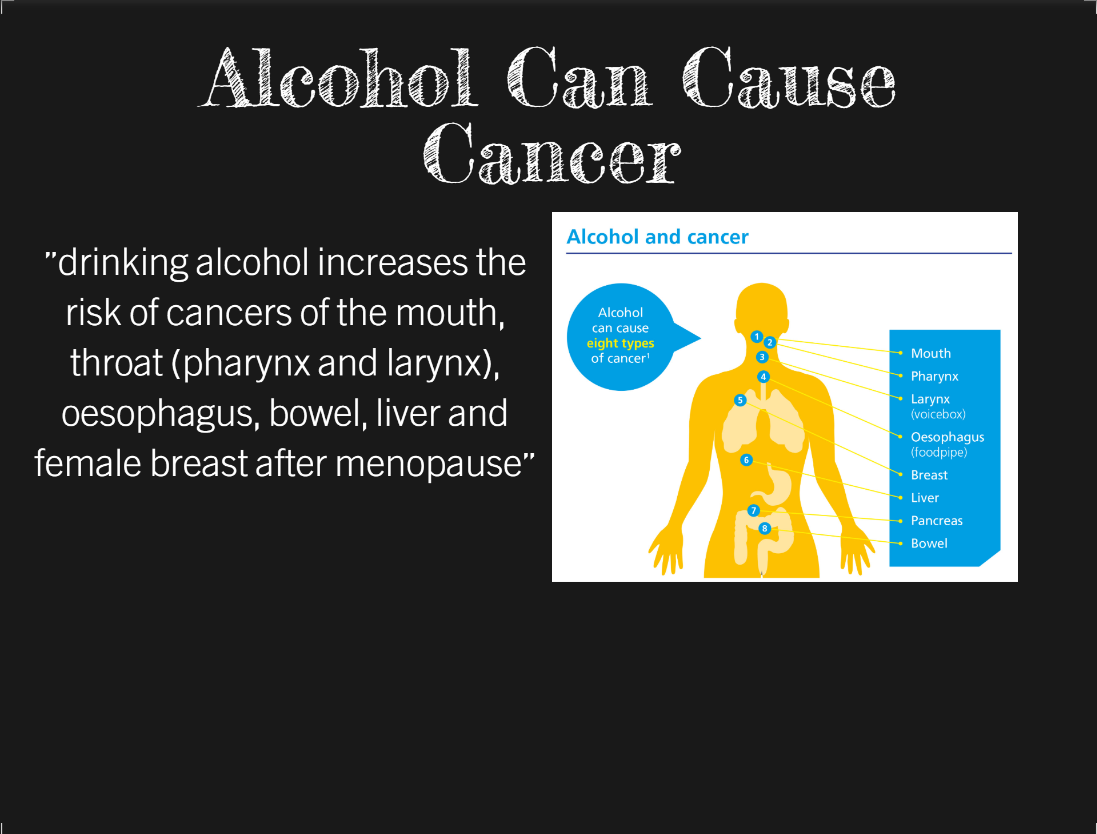
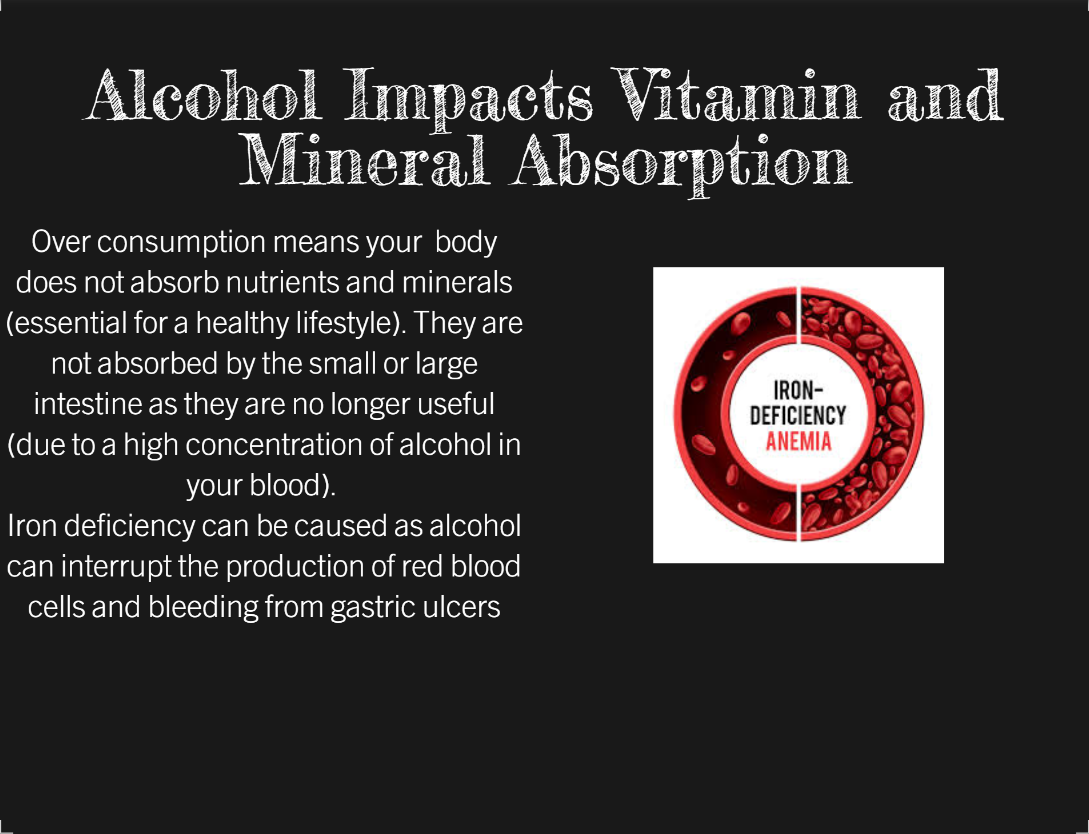
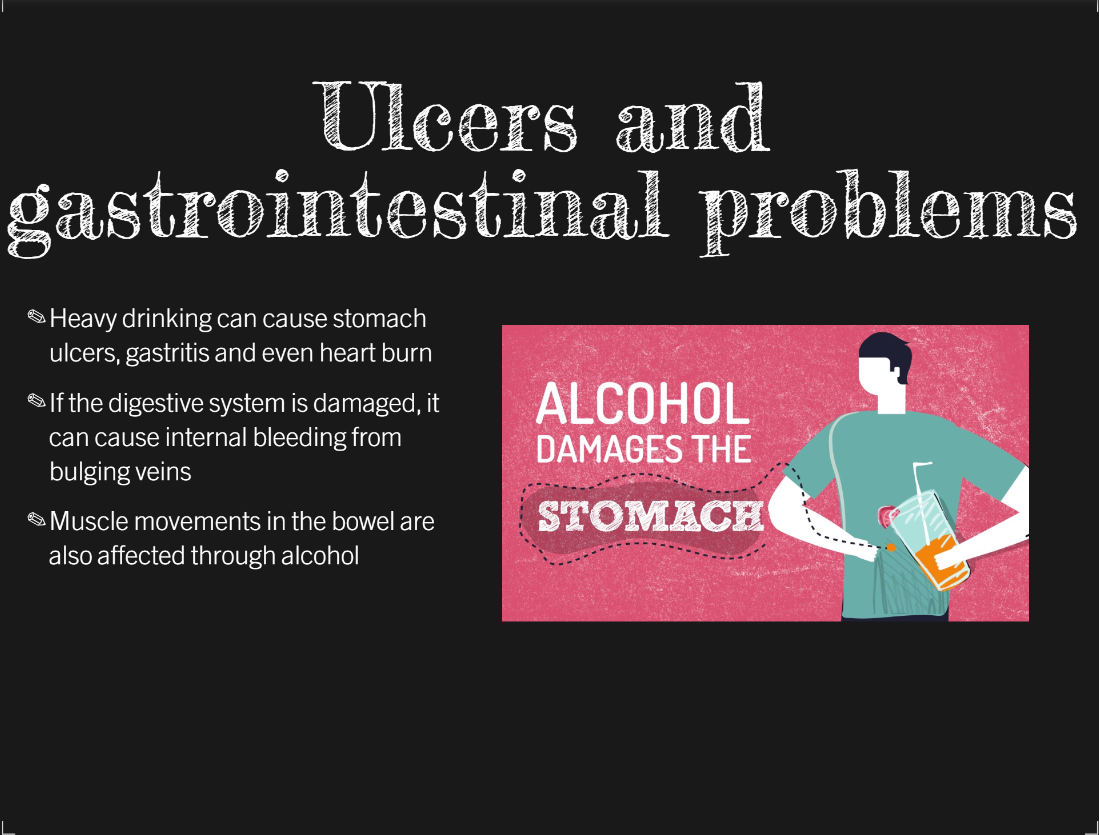
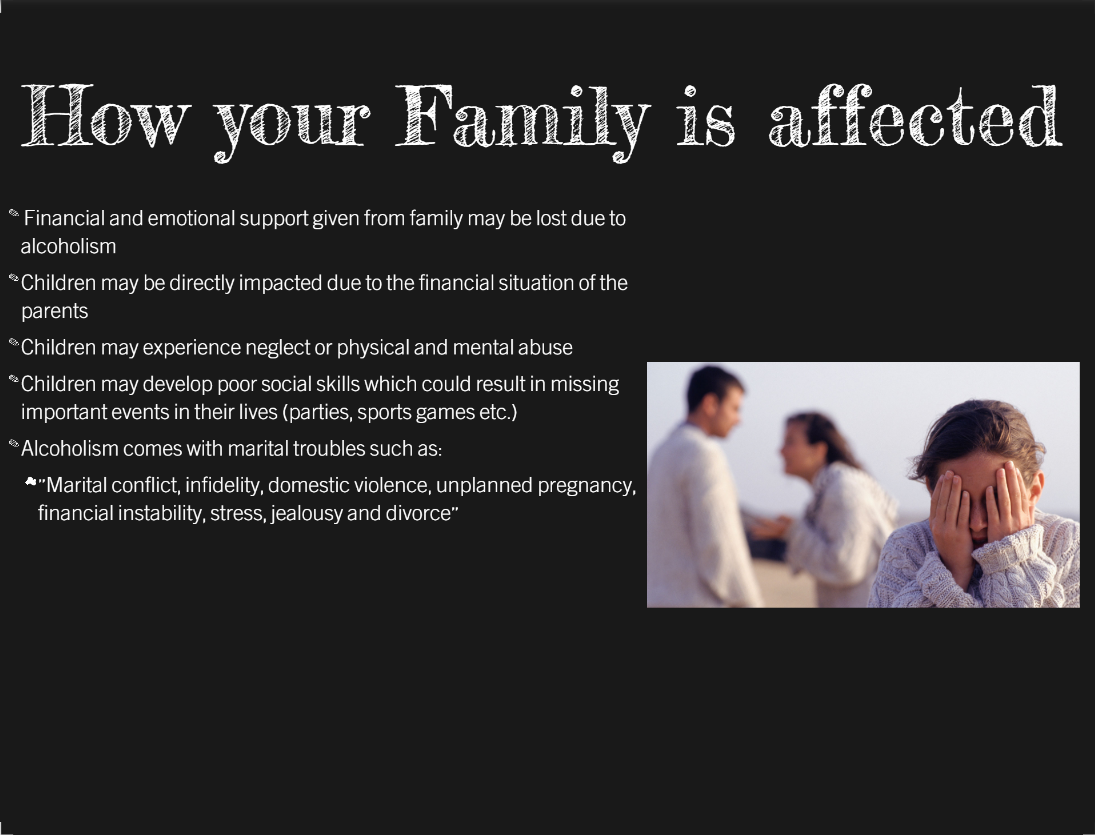
This is an Emaze I created which is a health scare regarding over consumption of alcohol. Refer to Bibliography on this link https://alcoholintervention.health.blog/2019/03/13/bibliography/for evidence used on this Emaze

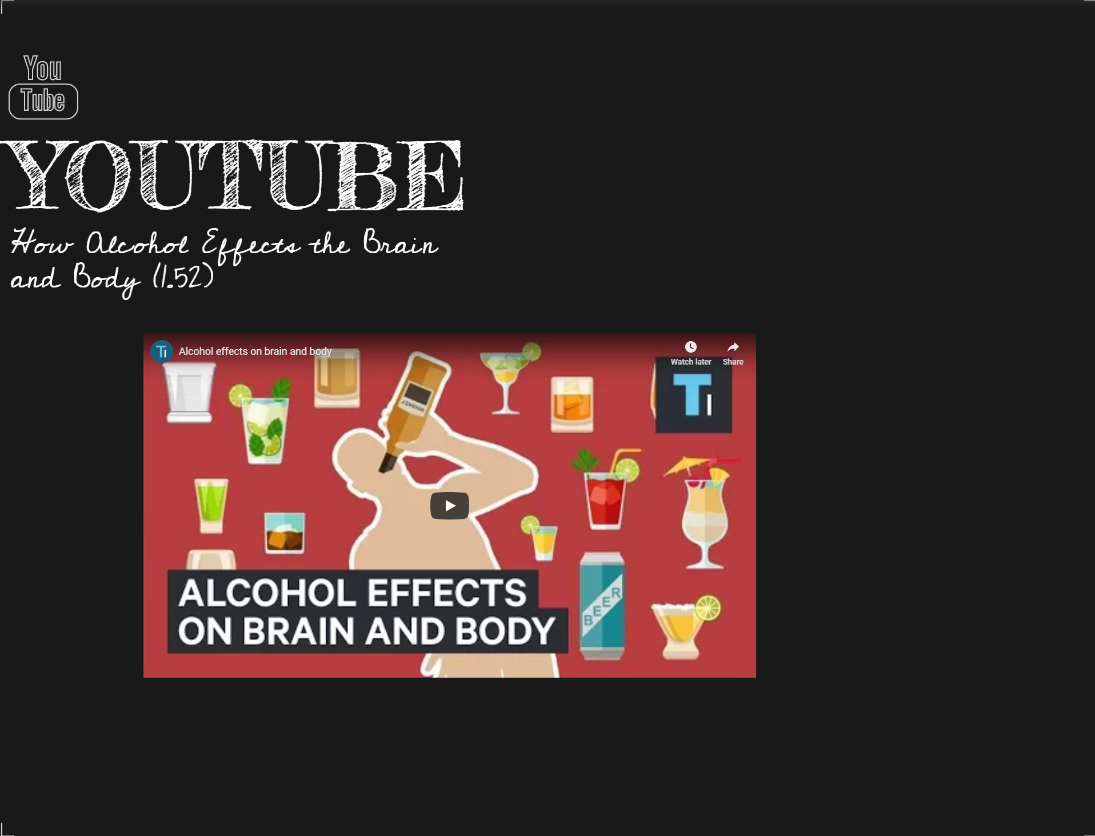
(Video from above slide)

Reflection

Image result for reflection clipart

What did you do?

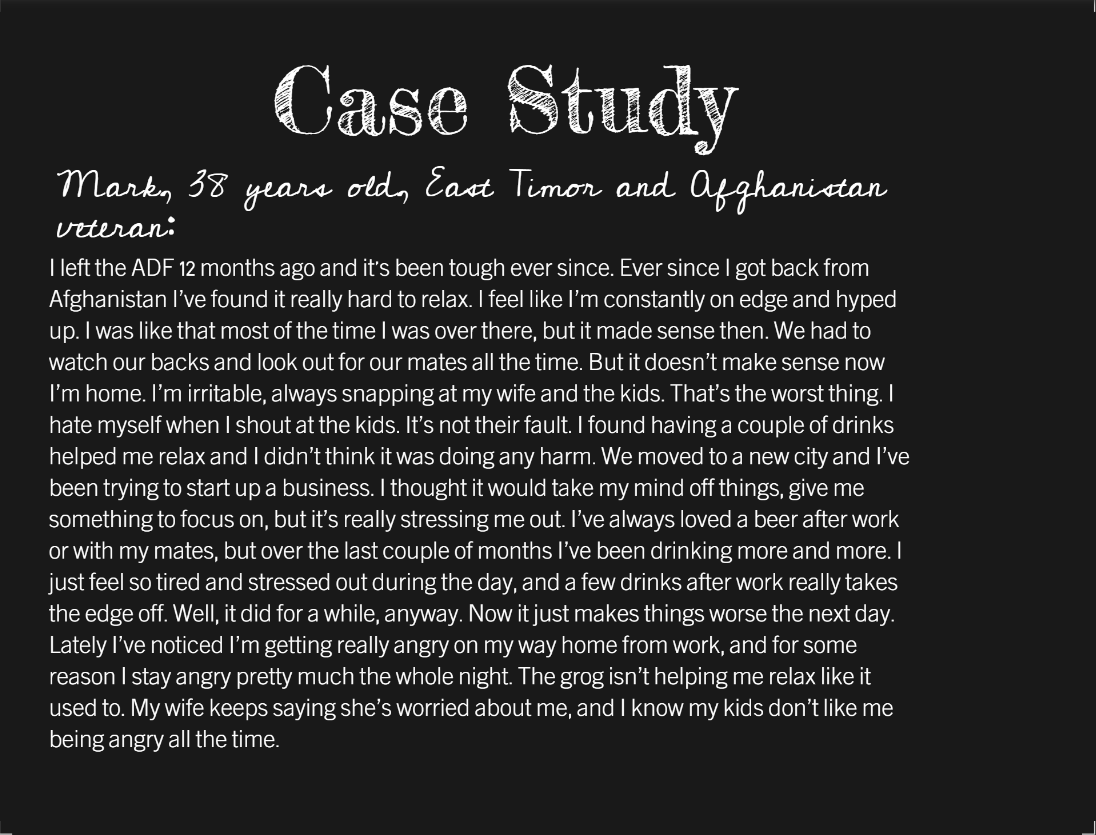
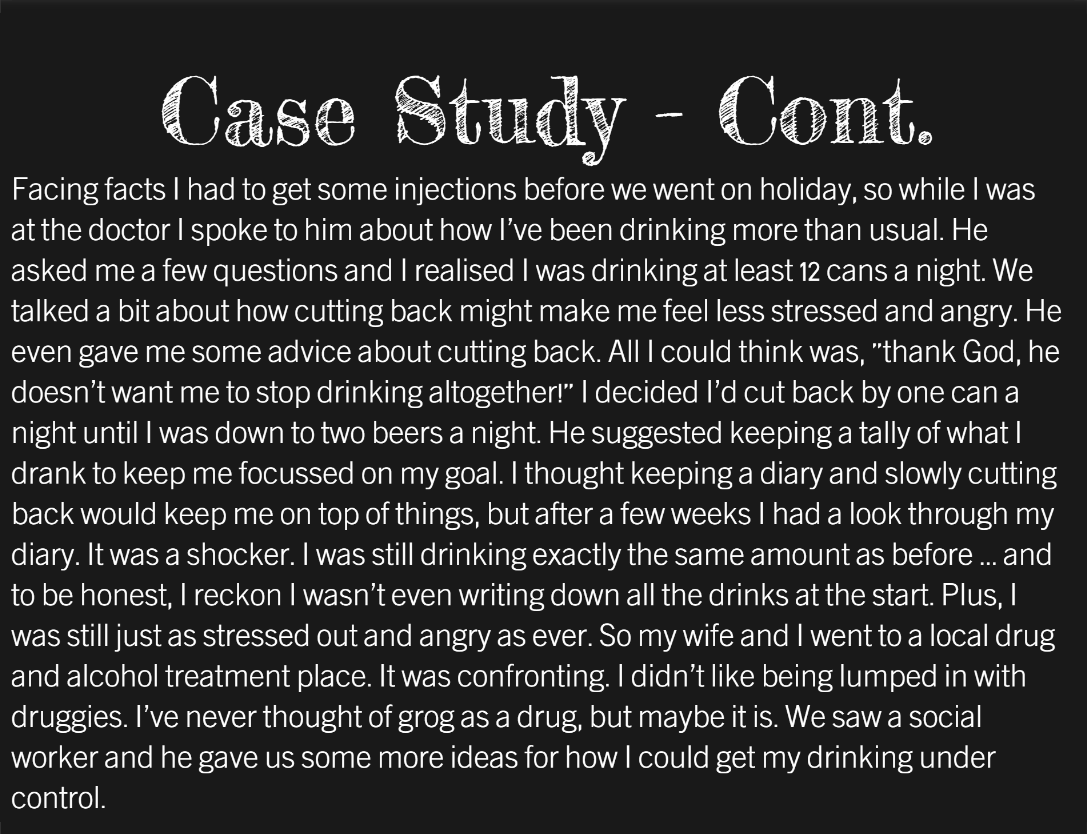
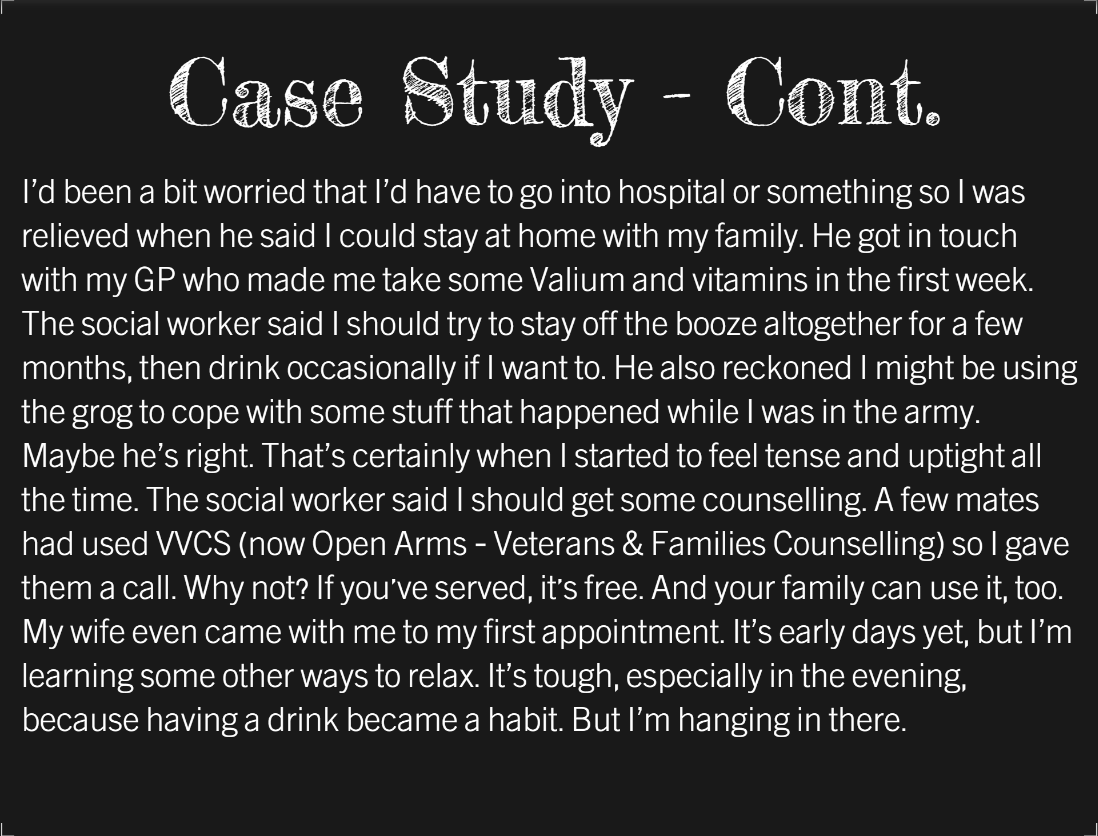
This week we presented our client with our last educational component of the program: a health scare. I presented this through an Emaze” which is like a PowerPoint, but more engaging. The health scare included what an extra glass of alcohol will do, a video on how alcohol interferes with the brain and body, cause cancer, impact vitamin and mineral absorption, create ulcers and gastrointestinal problems, your appearance, cause obesity, impact family and a case study. The case study was about a veteran who returned home and started drinking for relaxation, and later realised that he was addicted to alcohol. Therefore, I fulfilled our client’s request for a case study to be included in my educational component of the program. Also, I met my goal to present my intervention through a different format.

How did it go?

The intervention went well this week. I believe that the health scare was a good way to finish off the educational component so that the client can be emotionally prepared for when they may face challenges in the practical implementation of the project. Also, the scare contained surprising facts that would have hopefully discouraged the client to drink high quantities frequently. Further, through my reflections and responses from my client last week I was able to create a better and more tailored program for him. This ensured that it was as meaningful and purposeful as possible. Therefore, if I included requested information from my client, I was able to engage him as much as possible as we incorporated his ideas into our research. Also, the intervention was productive as I organised to create my Emaze within an appropriate timeframe so that I could present the intervention and still give the time to consider answers from my questions.

How did you feel?

This week I was fully comfortable with presenting my client with our intervention as they were keen to know what overconsumption can do to their bodies. Also, as I included information regarding what the client wanted to know on the presentation, I felt that I was including them in my intervention. Further, I felt very proud and good about myself as I am helping someone to change their life, also, I know that helping just one person can have a ripple effect on everyone around them, so truly it’s changing the lifestyle of a committee of people.

How was the client feeling? Client feedback

What was the most devastating fact you found out when reading this health scare?

It was devasting to find out that all your key organs can be affected by alcohol and you can also get cancer. 

Describe how you felt when you read the Emaze slides?

A little bit scared because alcohol can be so damaging to your health.

Was this Emaze a good end to the education aspect of our program? Why/why not?

Yes, because it really summed up well how alcohol can affect you. It also showed how harmful it is if you increase your alcohol intake by just one more drink per day.  

Describe what has changed in your alcohol habits from last week to now (if any)?

Nothing has changed necessarily but am contemplating to start changing soon.

After reading the Emaze, are you urged to further change your alcohol habits. Why/why not?

Yes, I really want to bring my intake down to 2 standard drinks per day to ensure I am following the Australian Dietary Guidelines. 

Please leave some feedback to let us know how we could have improved our education program for you.

I think the program was done really well.

Next week we will be starting our practical implementation of our intervention and would like to know if there are any specific implements you would like to undertake? This part of our intervention consists of schedules, timetables and more.

Nothing specific at the moment. 

Was it successful? Why?

Yes, this intervention was successful as it pleased my client. The health scare evidently created an urge in the client to change their alcohol habits, and therefore they would be mentally prepared for the practical implementation for this week. Also, the information was relevant to or topic and proved to be purposeful as it did give our client a “wake up call.” Also, the intervention was successful as I met my goals. This shows that reflecting is really important for me as I am able to analyse what I went well/bad etc., which can further allow me to continue to create the intervention as best as possible.

What changes need to occur?

Our client did not give us anything to improve on this week, however, there are some things which I would consider changing for next week. Firstly, I will need to start the practical implementation as early as possible so we have a suitable timeframe in which we can create the intervention. Further, I need to continue to ask direct questions from the client to ensure the intervention is engaging for them. To continue I need to find out if I need to work with my partner to create a schedule, or if we are separately creating them. This is because if we are individually creating the timetable, I will need to have a thorough discussion with my partner to organise time in our client’s life to fit our needs.

Free blogging.

Watch this space as next week we will be commencing the practical implementation of the unit. This will include schedules, timetables and more for our client to adhere to help him reduce his alcohol intake.

Intervention: Week 2 Social and Mental Impacts


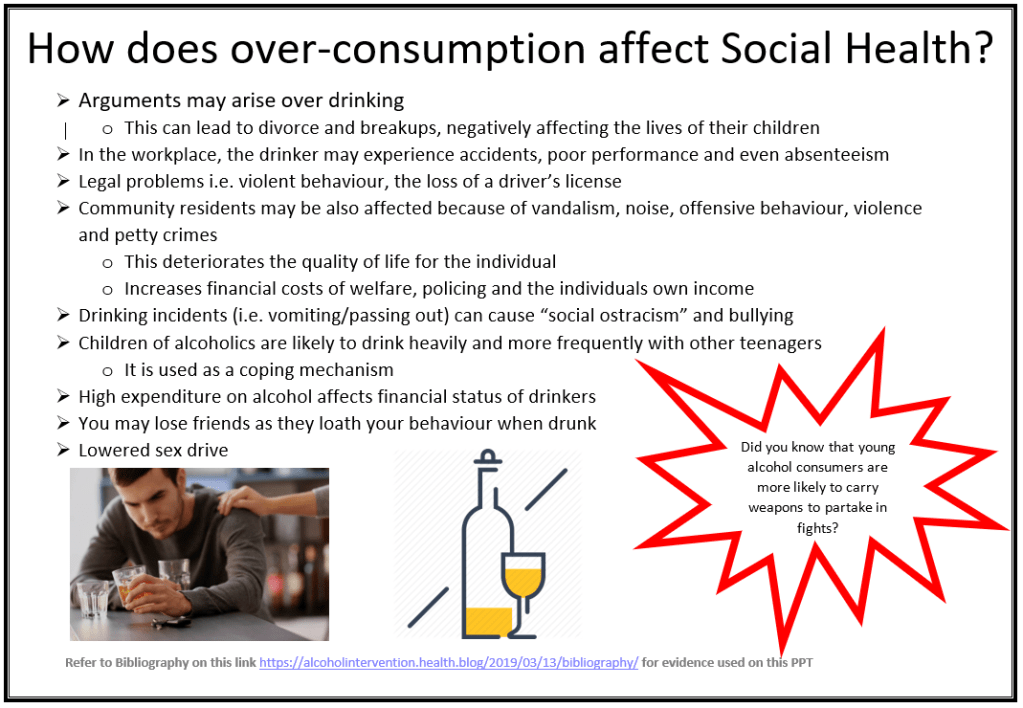
This is a PowerPoint I created (slide 1) about Social impacts that over consumption of alcohol can have on our body. Refer to Bibliography on this link https://alcoholintervention.health.blog/2019/03/13/bibliography/ for evidence used on this poster

This is a PowerPoint I created (slide 2) about Mental impacts that over consumption of alcohol can have on our body. Refer to Bibliography on this link https://alcoholintervention.health.blog/2019/03/13/bibliography/for evidence used on this poster

Reflection

Image result for reflection clipart

What did you do?

This week we continued with the educational aspect of our intervention and specifically investigated the impacts overconsumption can have on social and mental health of people. I presented this through a PowerPoint Presentation with one slide dedicated to the impacts on the social life of the patient, and another on the mental impacts.

How did it go?

I believe this intervention went well because I effectively reflected upon last week’s intervention to ensure that my second blog is of my best standard. In doing this, I endeavoured to create more questions for the client to receive more direct answers. Further, I also asked what my client would like to see for next week’s intervention to make this program as inclusive and meaningful to the client as possible. Not only does this benefit the client, but also us as the interveners as we are also gaining knowledge that we would not have known unless our client instructed us to investigate. Therefore, the intervention was productive and effective as we gave our client insight as to what over consumption can do to 2 very important aspects of his life.

How did you feel?

This week I felt confident as it was the second time I was presenting my client with my intervention. Therefore I wasn’t nervous this time as I knew my client is trying to improve his life and will certainly listen to us because they care about their body and their community that’s also affected by his drinking habits.

How was the client feeling? Client feedback

Explain in a sentence (s) how you feel after reading the PowerPoint?

“I feel motivated to change my habits as over consumption of alcohol can cause a lot of problems for individuals and the society as a whole.”

Outline what surprised you from the PowerPoint.

“I was surprised that over consumption can develop mental health problems which in turn can impact all aspects of life.”

Was this PowerPoint helpful in increasing your knowledge of how over consumption can impact your social and mental health?

“Yes, it has increased my knowledge on the harmful effects of alcohol.”

What has changed for you from the last week that urges you to make you consume less?

 “I feel that I need to reduce my intake from 3-4 standard drinks per day to 2. However, this has not occurred yet.”

Please specify how we can improve this intervention (education) program for you?

“Provide some case studies please.”

Next week we will be creating a health scare for you regarding what over consumption can do to you overall health. Please leave any specific details you would like us to cover in this part of the intervention?

“I want to be informed on what my drinking habits can do to my family, and how it impacts them.”

Was it successful? Why?

I believe this intervention was successful as my client asked my to look at how the depressant affects the brain (covered in the Mental Health slide). Through doing this I was able to direct part of the intervention to what my client wanted to learn about. Also, as I presented my information in a different format (PowerPoint instead of a poster) I was ensured that they were not bored with a monotonous presentation every week. Further, my thorough reflections from last week allowed me to create a more meaningful and relatable intervention for my client. Also, I believe I provided them with relevant information regarding our topic this week which would have been useful for us when we start the practical implementation, as background knowledge.

What changes need to occur?

For next week I need to create a brand-new format in which I will present my health scare. I also need to include a case study for my client next week as requested. I need to keep on asking my client specific questions for them to answer and endeavour to make this intervention as relatable to the client as possible through asking them question as to what they would like us to research for them,

Free blogging

This concludes the 2nd week of our education intervention program for our client. Next week we will be conducting a health scare regarding what overconsumption can do to overall health. Watch this space next week for more.

Intervention Week 1: Physical Impacts

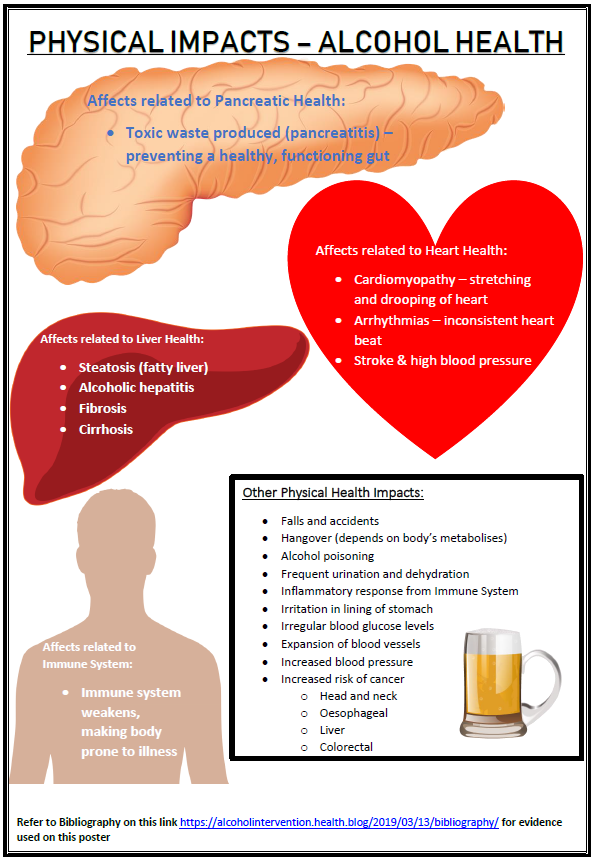
This is a poster I created about the physicals impacts that over consumption of alcohol can have on our body. Refer to Bibliography on this link https://alcoholintervention.health.blog/2019/03/13/bibliography/ for evidence used on this poster

Reflection

Image result for reflection clipart

What did you do?

This week my team’s plan was to focus on education for the intervention, specifically, how overconsumption of alcohol can impact physical health. I decided to create an information poster, compiled with the research I did. After the poster was created, I showed it to my client.

How did it go?

The first component of our intervention went well. I believe stepping into the intervention with an education program was effective, so our client can understand the theory behind the impacts alcohol can have on their health.

How did you feel?

I felt a bit nervous when showing my client the poster, as I felt that he may not appreciate the information we present to him. However, it turned out that the client was very happy with what we provided him as he knew we are trying to change his life, ultimately, the lives of others around him too. After showing my poster to my client and receiving positive feedback, I was keen to continue the rest of the interventions.

How was the client feeling? Client feedback

“I feel that to live a healthy life I should not exceed two standard drinks per day. Looking at the research and facts, I am convinced that excess alcohol is very harmful. I was very surprised that over-consumption can impact many parts of your body. I was particularly astonished that alcohol can have an impact on your immune system, which can result in your body being more prone to illnesses.

For next week I would like to see more specific questions that will allow me to answer you in a more direct way, and will be able to provide answers for your tailored questions.

I already am feeling quite guilty about my intake as I know I am not treating my body as well as I should be. I am looking forward to improve my terrible habit and see the outcome.

Was it successful? Why?

Yes, this intervention was successful, as the main idea behind it was to educate our client with the impacts overconsumption of alcohol can have on his physical health. Also, our client was surprised and felt the urge to change his alcohol habits as he did not want to be a patient of the mentioned impacts alcohol can have on him. Therefore, as we have 5 more weeks of interventions remaining, our client will hopefully make his mind up that he needs to change his alcohol habits to live a long and healthy life.

What changes need to occur?

I believe for next time we should ask our client as to what specific details they would like for us to particularly investigate when presenting them with our education intervention program. In doing this, I feel that the client will feel more included in our intervention, rather than us just overloading them with information that they may deem unrelatable to. Also, I need to ask them specific questions to be more direct and to also find the answers for questions that I have.

Free blogging…

I am looking forward to presenting our client with our 2nd part of our educational intervention, which is the effects over consumption of alcohol may have on social and mental health. Watch this space, as next week will be resuming our blogging.

Week 10 – Creating the Intervention – things to consider

What is the overall plan?

The plan is to do three weeks of education and then 3 weeks of practical implementation.

How will the 6 week intervention program look? Timetable? Training program?

The education component will be composed of health scares and what alcohol does to your body and mind. Further, the education component of the intervention will be composed of information material, videos, and pictures the practical implementation is where we create a schedule to help the client to reduce the frequency and volume of alcohol consumption.

Have you needed to seek medical advice/information?

We have not needed to seek any medical advice/information, as we are reducing the amount of alcohol consumption, we are not administrating any drugs or other medical substances/techniques to our client. However, if we do come across any medical questions, I am in contact with a registered pharmacist that will be able to provide medical advice and information

Have you obtained a client consent for Social media posts?

Our client would like to remain anonymous, therefore, they have not consented for Social Media posts.

Have you had your interventions seen by a teacher to check for suitability/safety?

Yes, we have had our intervention checked by our teacher for suitability/safety. We emailed our teacher, and amended our inquiry question. She said our intervention is suitable for the task and is safe for us to undertake.

The new inquiry question is:

  • How can education and restriction on alcohol consumption improve our client’s wellbeing?

Our sub questions remain the same:

  • What long term effects can excessive consumption of alcohol cause?
  • What methods of reducing alcohol consumption have been proven effective before?
  • How can excessive consumption of alcohol affect emotional and mental wellbeing?

Week 8-9: Gathering the Information

What is our Inquiry question? 

How can we intervene with our clients alcohol health to prevent alcohol impelled complications?

What are our sub questions? (What do we need to find out in order to answer our inquiry?)

What long term effects can excessive consumption of alcohol cause?

  • High blood pressure
  • Addiction
  • Mental/emotional problems
  • Liver problems

What methods of reducing alcohol consumption have been proven effective before.

  • Are there certain techniques?
  • Strategies?

How can excessive consumption of alcohol affect emotional and mental wellbeing?

  • Family
  • Mental
  • Wellbeing

Why did we choose this topic?

We chose this topic because not only can we help our client whom we know to live a healthier lifestyle, we can learn how we can avoid the problem the client is facing. We also chose this topic because there is a lot of research regarding alcohol health that will be beneficial in providing insightful ideas that we can improve and alter, or even spark an idea in our minds.

What do I need to know for this intervention to work?

For this intervention to work, I will need to know the lifestyle of my client. This will allow me to tailor the intervention exactly for the client. For example, I will need to do further research on the type of alcohol the client consumes, whether the drinks are measured exactly to the standard volume, the reason why he drinks, if he has any mental health problems which cause him to consume this amount, if his eating habits are impacted, what will occur if he doesn’t consume his 3-4 drinks a day, how his sleep is impacted and if there are any evident family problems that has risen from the consumption of alcohol.

Answers to above:

  • Client consumes Black Label Whiskey
  • He does not measure his alcohol
  • He drinks to calm himself
  • He does not have mental problems
  • He eats normal amount, but consumes junk food with his drinks
  • He will feel aggravated and overwhelmed if he doesn’t consume for one day
  • He does not have good sleep
  • His family has arguments after he consumes

Who do I need to liaise with to make this intervention safe, meaningful and possible?

I need to liaise with the teacher to make this intervention safe. This is because Mrs Litherland is knowledgeable in the HPE field and therefore will be able to assist us if the intervention is safe or not. Further, it will be good to research online if there are any precautions we need to take before we undertake the intervention. I will also have to liaise this intervention with my client quite a lot to ensure that it is meaningful to them, and so that they can get most of the intervention. Also, to ensure that we are backed up, we will need to research, to ensure we are giving our client the most meaningful intervention possible. Additionally, to make the intervention possible, I will need to liaise with my partner to ensure that we are organised and have planned our time, to fit in conversations with the client, and also to plan on how we will execute the intervention.

What resources do we need?

We will require the World Wide Web. This will allow us to access a wide variety of resources online, which can guide us on the intervention. I will need access to a device allowing me to contact the client and interview them, to do regular check-ups. Further, we will need to access Mrs Litherland, to ensure that we are on the right track for the intervention, and to provide us feedback throughout the semester,

How am I feeling about this action project at this point in time?

I feel excited to create a 6 week intervention for my client to improve their health, and therefore the people around them. I also am looking forward to researching the impacts of alcohol, as this is topic which I am passionate about. Further, I feel like I am giving back to the community (even though it is one person), as I am aiding thwho can better their health, which can have a positive ripple effect on others around the client.

Answers to Sub questions…….. (show research that supports your answers)

What long term effects can excessive consumption of alcohol cause?

Long term effects of alcohol include (Stop Teen DUI, 2019):

  • “Disrupts normal brain development;
  • Liver damage and cirrhosis of the liver;
  • Brain cells die, decreasing brain mass;
  • Stomach and intestinal ulcers and destroyed organs;
  • Blood pressure increases, causing heart disease, heart attack, or stroke;
  • Male sperm production decreases;
  • Lower levels of iron and vitamin B, causing anemia;
  • Alcoholism;
  • Death; and
  • Fetal alcohol syndrome in unborn children”

What methods of reducing alcohol consumption have been proven effective before?

Treatments that have proven to be effective include, behavioural treatment. This would “change[] drinking behaviour through counselling” (NHI, 2014).

Medication has also proved to work. For example, there are 3 drugs approved in the US to stop/reduce people from drinking. This has been combined with counselling as well (NHI, 2014).

Mutual-Support Groups have proven usesful as they are anonymous 12-step program where peer support is provided to quit or reduce drinking (NHI, 2014). This is particularly unique for our client as they want this intervention to be anonymous.

How can excessive consumption of alcohol affect emotional and mental wellbeing?

Alcohol is used to “alleviate feelings of anxiety and depression,” and can relax the brain, therefore assisting in sleep . It can prevent the body to rest, therefore making our system to work harder to excrete the alcohol from the body. Furthermore, it can block emotions, therefore, it allows you to avoid any challenging aspects of life (e.g. divorce)
(Mental Health Foundation, 2019) .

Alcohol impacts neurotransmitters in the brain therefore it makes you feel confident and lose emotional feelings. This substance also causes depression and anxiety, because alcohol “interferes with neurotransmitter,” hindering our bodies capability of a good mental state. Alcohol can cause suicide, self-harm and psychosis as the depressant makes people “lose their inhibitions and behave impulsively.” In addition, alcohol damage your memory as the substance causes our mind to stop storing memories (Drink Aware, 2016).

See below videos about Alcohol and Mental Health:


Video 1 (50 secs)
Video 2 (42 secs)

When are we going to deliver the presentation? 

We will deliver  the presentation next term for the first 6 weeks. This will be composed of lots of videos, pictures, research and blogging on our website.

What are my specific key responsibilities from here and on the day?

My specific responsibility will be to speak with the client and interview them with specific questions that I or my partner create. I will also need to consider how I will approach my client without being confronting about their health. Therefore I will need to ensure that I speak to them respectfully to ensure that they are not hurt. I will need to research and continue brainstorming on the interventions we want to do. Currently, I am thinking to do a few weeks of education, health scare, and then action the intervention.

Week 7: The Client

Who will be our client? Anonymous

Case Study:

  • Client background
    • 3-4 standard drinks a day, for 37 years
    • Present age 55
  • Why do they need a change to their lives?
    • To prevent any alcohol induced problems that may be caused in the long-term
    • Prevent any family issues that may occur
    • Prevent mental or emotional problems that may develop
  • What are their short term/long term goals?
    • Reduce to 3 drinks a day, to 2 drinks a day in long-term
  • Any other relevant information about the client
    • Suffers from high blood pressure (caused by alcohol)
    • Drinks whiskey

What are our initial ideas/inquiry question?

How can we intervene with our clients alcohol health to prevent alcohol impelled complications?

What interventions could we introduce to our client?

  • Using scare techniques
  • Education
  • Substitutions
  • Progressive decrease in amount of drinks consumed every week
  • Setting a schedule
  • Changing the type of alcohol intake, to make it a good factor in health

What is the most thought provoking thing we have discovered so far?

The most though provoking things I have discovered so far is that alcohol can cause high blood pressure. Therefore, there may be other long-term effects that may occur.

What is the plan from here?

A 6 week plan consisting partially of education interventions and physical interventions. The education intervention will be composed of health scares and what a high alcohol intake can do to your mental, social, physical and emotional aspects of your life. Also, the physical intervention will focus on how alcohol can impact your appearance and how it can hinder the client from performing well physically. Altogether, both the education and physical interventions will synthesise to help the client to live a healthy lifestyle.